
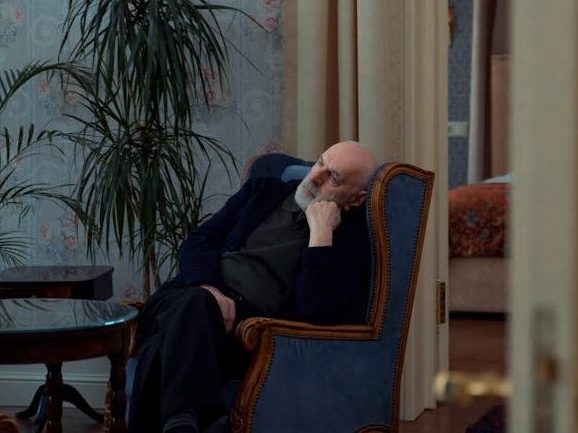
“In this story, I’ll share our family’s experience with my dad, whom I’ll refer to as Mr. Butter, and my mom, Mdm. Wholemeal, during and after the COVID lockdowns. I hope you find this journey both enlightening and helpful.”
Mrs Bacon
COVID became a pivotal moment in Mr. Butter’s battle with dementia. Unable to go outside, he fell into a monotonous routine, spending endless hours in front of the television watching crime shows and news, or playing Solitaire on his phone until he drifted off to sleep. This repetitive routine took a toll on his mind, and the lack of variety further weakened his mental sharpness. Already accustomed to having things brought to him, like water or the remote, Mr. Butter became more sedentary, which led to difficulty standing up after sitting for long periods.
As the lockdown continued, he began to eat less and required assistance with feeding, though he was still physically strong. Seeing the changes in him, Mdm. Wholemeal decided to keep him at home, as she feared that she might not be able to manage him outside. She locked the gate, which he tried to force open regularly. Beyond that, Mr. Butter started to forget simple things, such as when and where to go to the bathroom.
Key Takeaways: What Mr. Butter’s Experience Taught Us
Mr. Butter’s deterioration highlighted three crucial elements missing from his life:
- Physical Activity: As we age, staying active is essential for maintaining muscle strength. Muscles weaken more quickly, and even simple movements become harder to perform. For dementia patients, physical activity is doubly important, as they may forget how to perform tasks they don’t do regularly.
- Social Connections: Meaningful interactions, whether through conversations or games, stimulate the brain and can help keep dementia at bay. In hindsight, finding ways to connect with Mr. Butter more, even through video calls, might have helped. Although nothing beats physical presence, these connections could have made a difference.
- Purpose: Mr. Butter lacked purpose. He spent his days sitting in his chair, watching the screen or playing familiar games, without any sense of purpose that could motivate him to learn or try something new. Without this purpose, his mind grew less active.
For people with dementia, activity itself can become a purpose. Physical and social activities support mental engagement and may help slow down the progress of dementia. Preparing dementia patients for these activities and finding ways to incorporate them could reduce resistance and foster well-being.
 Sandwiched Club
Leave a comment